
The electric atmosphere of a casino, the crisp snap of cards, the palpable tension as the dealer reveals their hand – live blackjack captures the essence of the classic card game in a thrilling, interactive format. While many view blackjack as a game of pure chance, seasoned players know that strategy and skillful decision-making significantly influence the outcome. The thrill lies not just in the gamble, but in the application of knowledge and calculated risk.
Forget relying solely on luck! We’ve delved deep into the world of live blackjack, rigorously testing and refining blackjack strategies through countless hours of independent gameplay. The goal is simple: to equip you with actionable blackjack tips that will demonstrably improve your odds.
Prepare to discover proven blackjack strategies that go beyond basic hit/stand advice. We’ll explore effective bankroll management to weather any storm, advanced card counting techniques (where permissible), and powerful strategies for exploiting common dealer tendencies. By mastering these elements, you’ll transform from a casual player to a confident contender, ready to take on the live blackjack table. Get ready to elevate your game and experience the sweet taste of winning blackjack.
Understanding the Basics of Live Blackjack
Live blackjack gives players the electrifying experience of a real casino right on their screens. To truly enjoy it, understanding the foundational elements of the game is essential. Just like traditional blackjack, the main goal is to beat the dealer’s hand without going over 21. This involves a blend of strategy, understanding the cards, and making smart decisions based on the cards that are visible.
Several key terms form the language of blackjack. To “hit” means to request another card, hoping to improve the hand. To “stand” signals contentment with the current hand total. “Double down” lets players double their initial bet in exchange for receiving only one additional card. The option to “split” arises when holding a pair, allowing the player to create two separate hands. Some games also offer “surrender,” allowing a player to forfeit half their bet and end the hand early.
A crucial concept in blackjack is the house edge, representing the statistical advantage the casino holds over players. Understanding that edge and the associated blackjack odds can inform a player’s betting and playing strategy. Moreover, players should not be afraid of using strategies, but use them sparingly.
The core difference between live blackjack and its non-live counterpart lies in the immersive experience. Live blackjack features real dealers, dealing from a physical deck of cards, streamed to the player in real-time. In contrast to a computer program generating outcomes, it includes the opportunity to interact with the dealer and other players, creating a social and engaging gaming atmosphere, that is not present in standard online Blackjack games. It is an experience that blurs the line between the digital and physical casino world.

Mastering Basic Strategy
Basic strategy forms the absolute foundation for any player serious about winning at blackjack. It’s not about hunches or feelings; it’s about math. This time-tested, statistically-sound approach dictates the optimal way to play each hand based on your cards and the dealer’s upcard, minimizing the house edge and maximizing your chances of success.
At the heart of basic strategy lies the blackjack chart. Think of it as your cheat sheet to smart play. These charts are created by running millions of blackjack hand simulations, determining the best action – hit, stand, double down, or split – for every possible scenario. The chart typically displays your hand vertically and the dealer’s upcard horizontally. Where they intersect is your play. It’s that simple, but incredibly powerful.
Using a basic strategy chart correctly and consistently is the difference between giving the casino a significant advantage and keeping the odds as close to even as possible. By understanding and applying basic strategy, blackjack stops being a game of chance and becomes a game of skill with calculated risk. It drastically improves your long-term expectancy. In fact, mastering basic strategy can reduce the house edge to less than 1% in many blackjack variations.
When to Hit, Stand, Double Down, or Split
Knowing when to hit, stand, double down, or split is crucial. For example, you should almost always hit when holding a hard 12-16 against a dealer’s upcard of 7 or higher. Standing is usually the best option with a hard 17 or higher. Doubling down is advantageous when holding a hard 10 or 11, especially against lower dealer upcards (2-9). Splitting pairs can be tricky, but generally split Aces and 8s. Always remember: these are just basic strategy guidelines and can slightly vary based on specific rules of where you are playing.
The logic behind these moves centers on probability. Hitting a stiff hand (12-16) against a high dealer card gives you the best chance to improve your hand without busting. Standing with a good hand aims to avoid risky hits. Doubling down leverages favorable situations, while splitting aims separate advantageous hands. Consistency is vital. Drill with a blackjack simulator until these decisions become automatic. Play some fake scenarios and see how you feel about the logic.
Advanced Live Blackjack Strategies
For players seeking a more substantial edge in live blackjack, a range of advanced strategies exists. These techniques, while not foolproof, are designed to shift the odds slightly in the player’s favor. From the theoretical application of card counting to the observation of shuffle patterns and potential dealer tells, there’s a depth of strategy to explore.
Card counting, at its core, involves assigning values to cards to track the ratio of high-value cards (10s, face cards, Aces) to low-value cards (2-6) remaining in the deck. The theory is simple: a deck richer in high cards favors the player, increasing the likelihood of blackjacks and dealer busts. However, translating this theory to live blackjack is fraught with challenges. The rapid pace of the game, combined with the use of continuous shuffle machines (CSMs) that reshuffle the deck frequently, makes accurate card counting exceptionally difficult. Instead of focusing on precise calculation, players should prioritize with probability. A positive count indicates a higher probability of favorable outcomes, which might justify slightly increased stakes or more aggressive play.
Shuffle tracking takes a different approach, focusing on identifying sections of the deck with a higher concentration of certain cards after a shuffle. This technique relies on observing the dealer’s shuffling routine and attempting to predict which sections of the newly shuffled deck are likely to contain a disproportionate number of high or low cards. Like card counting, shuffle tracking is severely hampered by CSMs and is extremely difficult even in situations where single-deck or double-deck games are used and not shuffled after every round. The environment of live online casinos makes the visual and mental effort of shuffle tracking very difficult.
Finally, some players attempt to gain an edge by observing dealer tells – subtle physical cues that might reveal information about the dealer’s hand. These could include slight hesitations, changes in breathing, or fidgeting. However, the effectiveness of this strategy is highly debated, and even if dealers unknowingly display tells, spotting them consistently in an online live casino environment can be difficult given the distance and screen limitations.
Adapting Card Counting for Live Online Play
Adapting card counting for live online play requires significant modifications. Traditional card counting relies on meticulous tracking, which is almost impossible given the digital environment, continuous shuffling machines and game pace limitations. In live online blackjack, it’s more about broad probabilities than precisely knowing the count. Players need to exploit favorable counts quickly, using that window to play with higher stakes. Remember, the advantage, if any, is minimal and requires substantial bankroll management to weather inevitable statistical fluctuations. Success here hinges more on discipline and calculated risk than on foolproof calculation.
Bankroll Management and Responsible Gambling
Bankroll management is the bedrock of long-term blackjack success. Without it, even the most skilled player is destined to fail. Blackjack, like any form of gambling, involves inherent variance. A well-structured bankroll acts as a buffer against the inevitable downswings, allowing you to weather the storm and capitalize on favorable opportunities. Think of it as an investment – you wouldn’t pour your entire life savings into a single, risky stock. The same principle applies to blackjack. By carefully managing your funds, you minimize the risk of ruin and extend your playing time, increasing your chances of long-term profitability. Effective bankroll management involves setting realistic goals, determining appropriate bet sizes relative to your bankroll, and meticulously tracking your wins and losses. This data provides valuable insights into your playing style and helps you adjust your strategy as needed. Remember, the goal isn’t to get rich quick; it’s to play smart and stay in the game.
Responsible gambling is just as important as bankroll management. Blackjack should be an enjoyable pastime, not a source of stress or financial hardship. Set time limits for your sessions and stick to them. Avoid chasing losses, as this can lead to impulsive decisions and increased losses. Recognize the signs of problem gambling, such as gambling with money needed for essential expenses, lying to loved ones about your gambling habits, or feeling anxious or irritable when not gambling. If you suspect you may have a gambling problem, seek help immediately. Countless resources are available to provide support and guidance.
Setting Limits and Sticking to Them
Establishing clear win and loss limits is a cornerstone of responsible blackjack play. Your win limit represents the amount you’re comfortable winning in a single session. Once you reach that threshold, cash out and walk away. Similarly, your loss limit defines the maximum amount you’re willing to lose. Exceeding this limit signals it’s time to stop playing, regardless of whether you feel like you’re “due” for a win. Sticking to these limits requires discipline and self-control. The temptation to chase losses or push your luck when you’re on a winning streak can be overwhelming. To help stay in control, take regular breaks, avoid gambling under the influence of alcohol, and remind yourself of the potential consequences of exceeding your limits. Ultimately, successful blackjack players understand the importance of discipline and treat their bankroll with respect.
Psychological Warfare in Live Blackjack
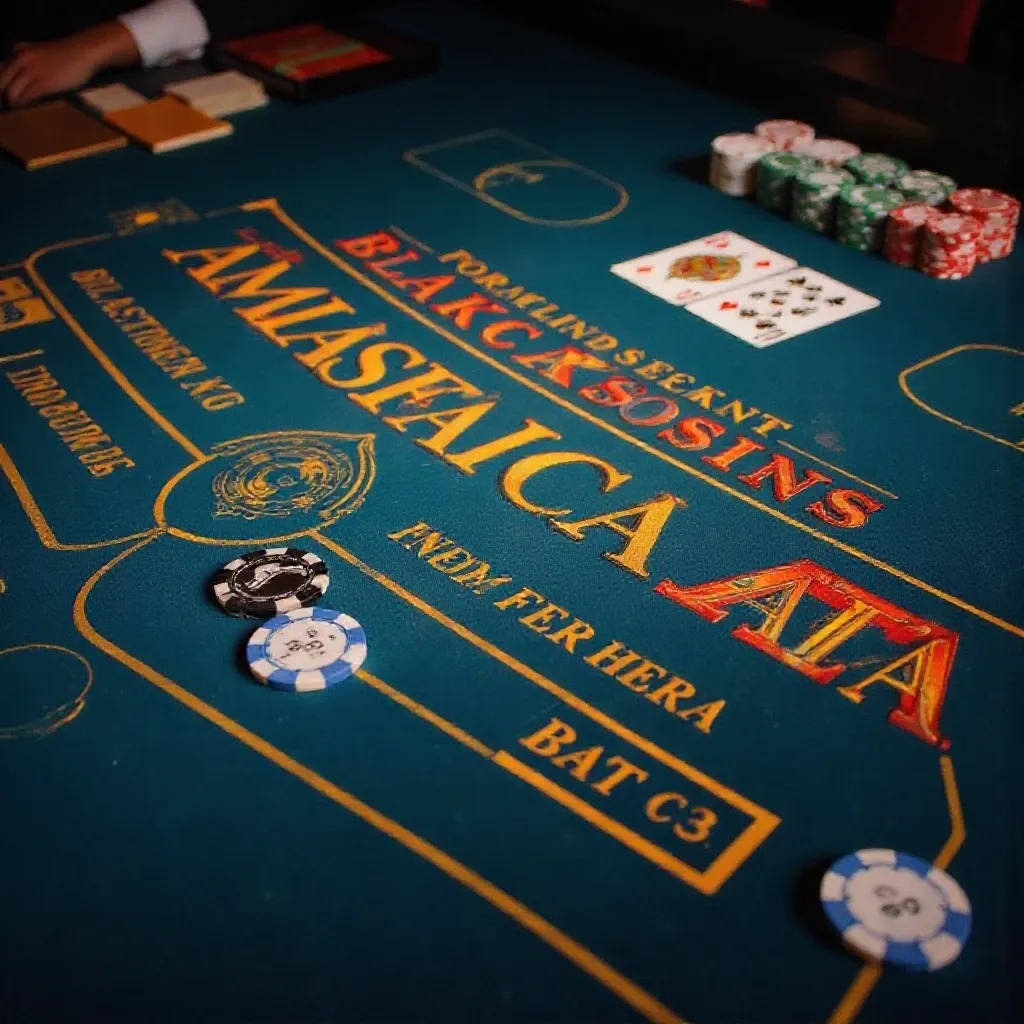
Live Blackjack transcends the realm of pure chance, evolving into a battleground where psychological acuity can subtly influence the game’s trajectory. Unlike its purely digital counterpart, Live Blackjack introduces the element of human interaction, opening avenues for astute players to leverage observation and strategic maneuvering.
The ability to discern subtle cues – the almost imperceptible hesitation before a hit, the fleeting flicker of anxiety in the eyes after a double down – can provide invaluable insights into an opponent’s hand strength or their propensity for risk. While reading “poker faces” is more challenging in the Live Blackjack arena compared to traditional poker, due to limited physical tells, observant players can still pick up on betting patterns, reaction times, and verbal cues to gain a competitive edge.
Furthermore, a player’s “table image” plays a crucial role. Cultivating an image as a conservative player might induce the dealer to play more aggressively, while projecting an aura of reckless abandon could prompt opponents to make rash decisions. For example, consistently betting small amounts, even when holding a strong hand, can lull the dealer into a false sense of security, potentially leading them to take unnecessary risks. Conversely, a player who frequently doubles down and splits pairs might compel the dealer to play more defensively, adhering strictly to the house’s basic strategy.
The deployment of psychological tactics in Live Blackjack is most effective when executed subtly and sporadically. Overt attempts at manipulation can backfire, alerting opponents and undermining the player’s credibility. Instead, skilled players employ psychological jabs sparingly, carefully calibrating their actions to exploit specific vulnerabilities and maximize their potential impact. Ultimately, the art of psychological warfare in Live Blackjack lies in the ability to blend observation, calculated deception, and a deep understanding of human behavior to gain a decisive advantage over the house and fellow players.
Common Pitfalls to Avoid
Even seasoned blackjack players stumble. Recognizing common blackjack mistakes is crucial to minimizing losses and maximizing your enjoyment of the game. Many errors stem from deviating from basic strategy. Basic strategy charts are readily available; memorize them and stick to them. It’s the foundation for making mathematically sound decisions.
Chasing losses is another dangerous trap. After a losing streak, the urge to recoup your money quickly can lead to reckless bets. Resist this urge. Set loss limits beforehand and adhere to them. Remember, blackjack is a game of probability, and losses are part of the process. A specific example of a huge mistake is to bet all your money at once to try to return the lost capital. Usually this is a losing strategy.
Your mental and emotional state significantly impacts your decision-making. Playing when tired, stressed, or emotional impairs judgment and increases the likelihood of making poor choices. Only play when you’re alert and focused. If you find yourself getting frustrated or angry, take a break. In my experience, a clear head and a calm demeanor are your best assets at the blackjack table.
Finally, effective bankroll management is paramount. Don’t bet more than you can afford to lose, and divide your bankroll into smaller units to extend your playing time. Avoid increasing your bet size dramatically after a win, as this can quickly deplete your funds. A disciplined approach to bankroll management is essential for long-term success and enjoyment of blackjack. It also helps you to avoid many common gambling mistakes.
Conclusion
In summary, mastering blackjack requires a blend of strategic knowledge, disciplined bankroll management, and a commitment to responsible gambling. The core of a winning blackjack formula lies in understanding and consistently applying basic strategy. Remember, this is not a game of hunches, but one of calculated probabilities.
Take these blackjack tips recap and put them into practice. Start with small stakes, refine your skills, and gradually increase your bets as your confidence grows. Bankroll management is crucial; never wager more than you can afford to lose.
We hope this blackjack summary has provided you with valuable insights. Feel free to share your experiences or ask any further questions. We’re here to help you on your journey to becoming a more skilled and informed blackjack player. Good luck, and play responsibly!